
On Palestinian Prisoners' Day
Palestinian prisoners face a system of extermination inside Israeli occupation prisons
Translated from the Arabic original. Read the Arabic original
On Palestinian Prisoners' Day, the foundation sets out the patterns of violations inside prisons, from torture, starvation and sexual abuse to the detention of Gaza detainees, administrative detention and the death penalty law, and calls for international action, Red Cross access and UN investigations.
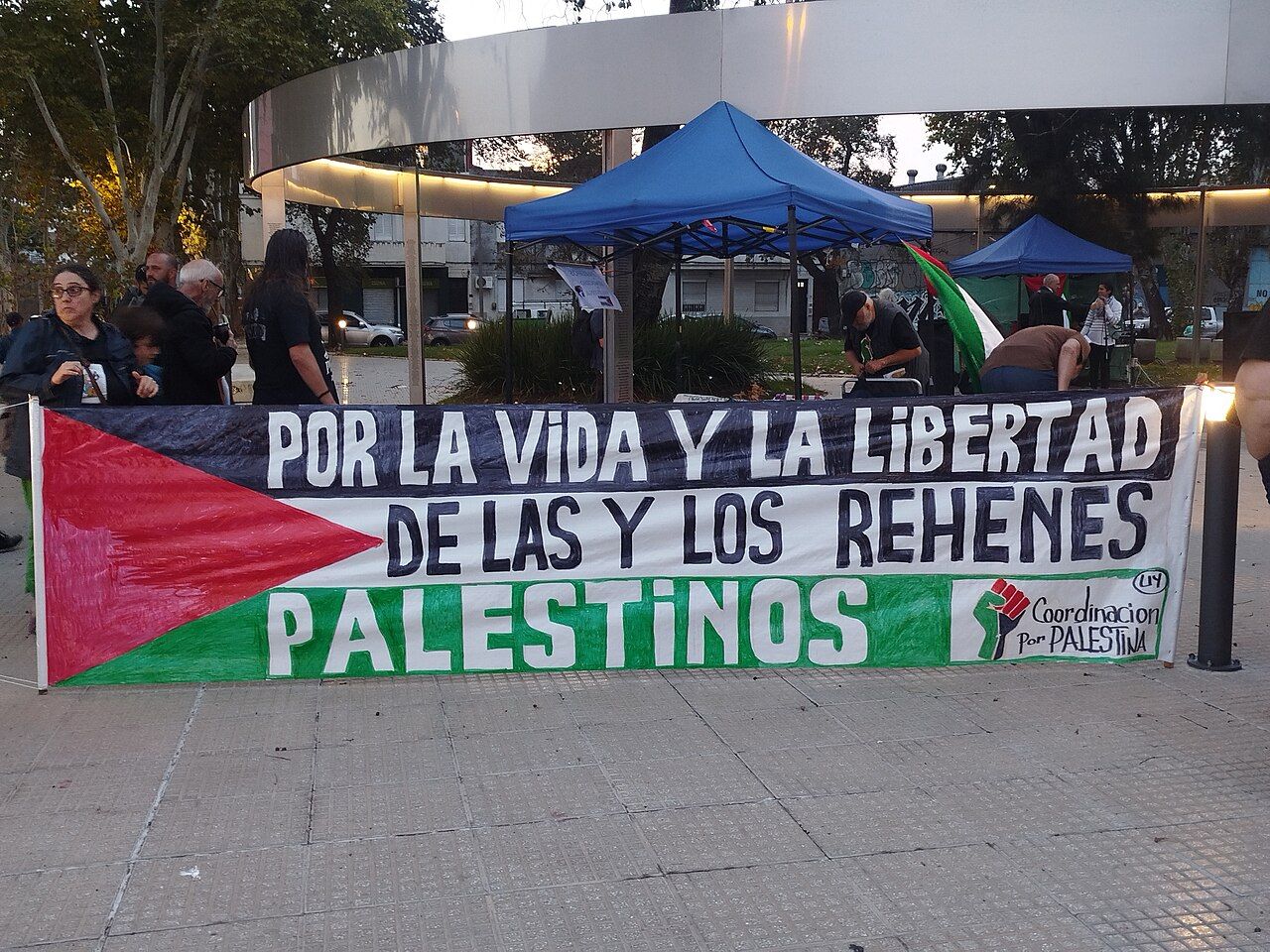

On Palestinian Prisoners' Day, we face one of the most painful and urgent Palestinian issues: that of the thousands of Palestinian men and women held in Israeli occupation prisons in harsh and degrading conditions that go beyond unlawful detention to a comprehensive system of torture, starvation, medical neglect, isolation, sexual abuse and attempts at slow and direct killing.
What Palestinian prisoners face today cannot be understood as individual incidents or isolated abuses. It is part of a systematic policy targeting Palestinians in their freedom, dignity, bodies and right to life. Since the start of the latest offensive on the Gaza Strip, violations against prisoners have escalated to an unprecedented degree, including brutal beatings, physical and psychological torture, deliberate starvation, denial of treatment, bans on family visits, the suspension or restriction of visits by the International Committee of the Red Cross, solitary confinement, enforced disappearance, and organised abuse inside prisons and camps.
In this context, the sexual abuse of Palestinian men and women prisoners stands out with particular gravity. It has been documented by Palestinian and international human rights organisations, and includes sexual harassment, forced nudity, sexual assault, threats of rape, humiliating searches, and the use of these acts as a means of humiliation and psychological breaking. These crimes are grave violations of international law and, in their nature, frequency and context, amount to torture and cruel, inhuman and degrading treatment.
Gaza detainees face even more dangerous conditions, especially those whom the occupation authorities classify as so-called "unlawful combatants". This classification is used to deny them basic legal guarantees, to make it easier to hold them in harsh conditions, to prevent contact with them and to conceal the fate of some of them, in flagrant violation of international humanitarian law and international human rights law.
No less dangerous is the continued administrative detention of thousands of Palestinians, including children, women, journalists, doctors and academics, without charge or fair trial, on the basis of secret files that neither the detainee nor their lawyer can see. This form of detention is one of the main tools of arbitrary repression used by the occupation to strip Palestinians of their freedom and of their right to a defence and a fair trial.
Against this background, the so-called law on executing Palestinian prisoners marks the most dangerous stage of escalation, as an attempt to give official legislative cover to the systematic killing of Palestinian prisoners. This law is not only a grave violation of the right to life; it also entrenches a discriminatory and racist legal system targeting Palestinians specifically, within a judicial and military setting documented as lacking the conditions of justice, independence and impartiality. This legislation cannot be separated from a long history of field executions and killings inside prisons through torture, medical neglect and starvation.
On Palestinian Prisoners' Day, we affirm that the prisoners' cause is not a marginal humanitarian issue, but a cause of freedom, justice and human dignity. We stress that silence over what is happening inside Israeli prisons is no longer mere inaction; it has become a form of complicity with a system that violates international law and disregards every standard of human protection.
We at the Nael Barghouti Foundation therefore:
- Call on the international community to act immediately and urgently to stop the crimes committed against Palestinian prisoners.
- Call on the International Committee of the Red Cross to restore its full role in visiting prisoners and monitoring their conditions.
- Call on the United Nations and its special procedures to open serious investigations into torture, sexual abuse and killings inside prisons.
- Call for the repeal of the law on executing Palestinian prisoners and an end to all legislative and military policies that target their lives.
- Stress the need to work seriously for the freedom of Palestinian prisoners, as a national, humanitarian and legal entitlement.
Nael Barghouti Foundation
Istanbul, 17 April 2026