
On World Health Day
Deliberate medical neglect in Israeli occupation prisons is an ongoing crime
And the adoption of the law to execute Palestinian prisoners extends the policy of deliberate killing
Translated from the Arabic original. Read the Arabic original
On World Health Day, the foundation links the deliberate medical neglect of prisoners to the law on executing prisoners, calls for an end to the denial of treatment and for the law's repeal, and urges action by the Red Cross, the World Health Organization and UN mechanisms.
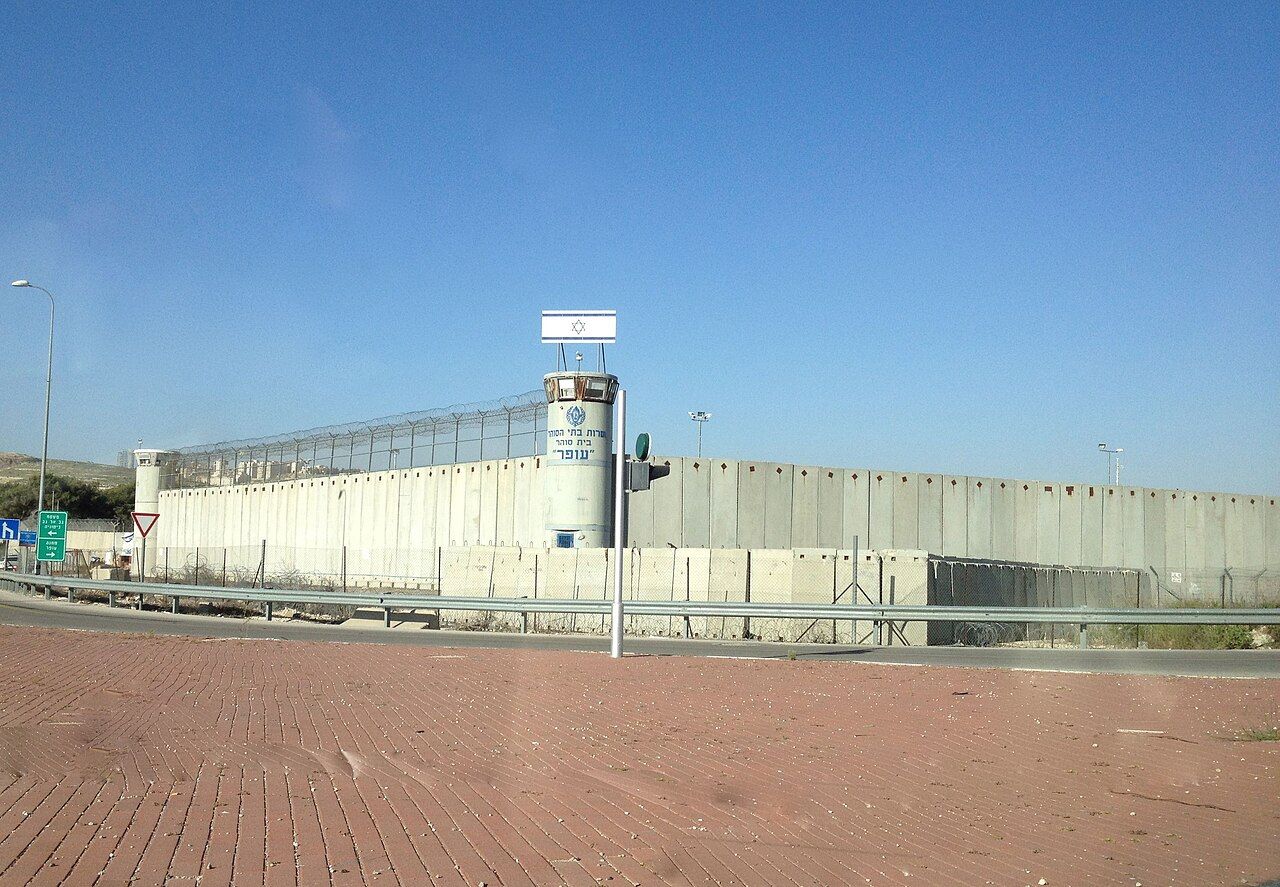

On World Health Day, marked by the World Health Organization on 7 April, and at a time when the organisation is calling this year for standing up for science and health for all, we affirm that the right to health is not a privilege but a fundamental human right that may not be curtailed under any circumstances, including in arrest and detention. The World Health Organization affirms that health is a human right, and international humanitarian law requires the protection of persons deprived of their liberty, humane treatment, and the provision of the health care they need.
What Palestinian prisoners face in Israeli occupation prisons, deliberate medical neglect, denial of treatment, delayed tests and operations, and leaving the sick and wounded to face pain and deterioration without adequate care, cannot be regarded as mere administrative failure or professional shortcoming. It forms part of a systematic punitive policy that affects the right to life, physical integrity and human dignity. Health care in places of detention is not a secondary service but a direct legal and moral obligation on the detaining authority, and any deliberate denial of it, especially when it leads to death or severe suffering, amounts to cruel and inhuman treatment. The International Committee of the Red Cross affirms that international humanitarian law protects detainees and persons deprived of their liberty, and sets out their rights and the rules for their treatment, including health care.
In this context, the adoption of the law on executing Palestinian prisoners cannot be separated from the very structure that produces deliberate medical neglect inside prisons. Both stem from the same logic: stripping the Palestinian prisoner of legal and humanitarian protection, and turning their body and life into a field of punishment and revenge. UN experts have stressed that the new Israeli law in effect creates a discriminatory death penalty regime targeting Palestinians, and is a serious escalation and a clear breach of the occupying state's obligations under international human rights law. The Special Rapporteur on torture has also warned that the law could lead to grave violations, including breaches of the absolute prohibition of torture and other cruel, inhuman or degrading treatment or punishment.
Linking deliberate medical neglect to legislating execution is therefore not a passing political connection, but a description of a serious legal and human rights reality.
When prisoners are denied medicine and treatment, illness is left to wear them down, and at the same time a law is enacted that opens the way to executing Palestinian prisoners, we are facing a system of deliberate killing with multiple tools: it begins with starvation, deprivation and neglect, and goes as far as the attempt to give execution legislative cover. This is a compound attack on the right to life, the right to health, the right to a fair trial, and the protection owed to persons in detention.
On World Health Day, we affirm that the health of Palestinian prisoners is not a marginal humanitarian issue, but a matter of justice, dignity and the right to life. We also stress that silence over medical neglect inside prisons, or treating it as an internal matter, contributes to entrenching impunity. The international community must not treat prisoners' health care as an administrative matter while in reality it is being used as a tool of punishment, pressure and slow harm. The World Health Organization explains that health systems based on human rights must be grounded in accountability and non-discrimination, which is fundamentally incompatible with denying detainees care or politicising treatment.
We at the Nael Barghouti Foundation therefore call for an immediate end to the policy of deliberate medical neglect of Palestinian prisoners, and for their access to full and urgent health care without discrimination.
We also call for the immediate repeal of the law on executing Palestinian prisoners, as a discriminatory and unlawful law contrary to the rules of international law.
We further call on the International Committee of the Red Cross, the World Health Organization, UN special procedures and all international human rights organisations to step up pressure and take urgent action to protect Palestinian prisoners, and to ensure accountability for every death or serious harm caused by the denial of treatment or by legislation that directly targets their lives.
Nael Barghouti Foundation
Istanbul, 7 April 2026